Destination Bridal Fashion in the Gulf: Seasons, Light, and Fabric Choices
Planning a bridal look for the Gulf region requires balancing seasonal temperatures, intense sunlight, and atmospheric humidity with delicate fabric choices.
Choosing the Ideal Season for Gulf Coast Bridal Celebrations
Planning outdoor bridal photography or destination ceremonies along the Arabian Gulf requires a careful look at regional weather patterns. Between November and March, the area experiences mild daytime temperatures ranging between 20°C and 28°C, alongside comfortable humidity levels and clear skies. These winter months provide predictable daylight conditions for outdoor events, avoiding the extreme heat of summer when temperatures regularly exceed 40°C. For couples organizing waterfront celebrations, coastal views provide a serene visual environment. Those planning coastal itineraries often consult services such as Marina Shamal to learn more about nautical routes around Palm Jumeirah, where calm winter waters create pristine conditions for outdoor photography. During this cooler window, daylight remains soft and even, minimizing harsh shadows during mid-day portraits while offering extended periods of golden afternoon light.
Fabric Selection for Desert and Maritime Climates
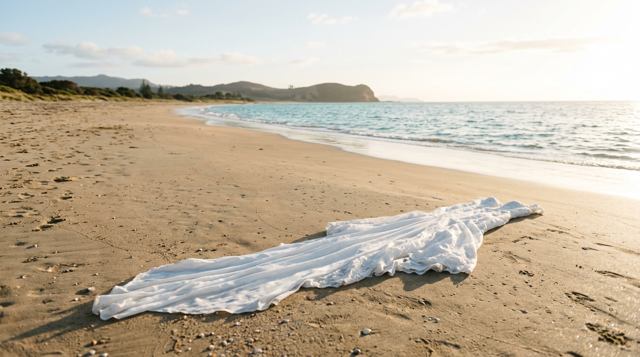
Selecting materials for a coastal or desert setting involves evaluating how textiles respond to temperature, humidity, and atmospheric wind. High humidity near water can cause heavy synthetic fabrics to trap moisture, leading to discomfort during extended outdoor shoots. Natural fibers such as mulberry silk, silk organza, lightweight tulle, and fine linen blends allow air circulation while maintaining structure. Crepe and heavy silk mikado, though elegant, absorb heat rapidly under direct sunlight and are better suited for indoor, climate-controlled environments or late-evening receptions. Lightweight chiffon responds well to coastal breezes, creating natural movement in photographs without weighing down the wearer. Furthermore, the tone of white or ivory should complement the vivid outdoor backdrop; warm ivory hues reduce glare under intense sunlight compared to stark, reflective cool whites.
Evening Lighting and Atmospheric Conditions
Twilight along the Gulf coast occurs relatively quickly due to the lower latitude of the region. The transition from direct sunlight to sunset provides a brief window of approximately thirty minutes where natural light softens into warm orange and violet tones. Outdoor evening events benefit from gentle offshore breezes, which help drop ambient temperatures rapidly once the sun sets below the horizon. However, nighttime coastal air can carry moisture that settles on delicate train hemline fabrics or soft lace trim. Selecting tea-length gowns or structured hemlines lifted slightly above ground level prevents moisture absorption from damp ground cover or sand. Understanding how microclimates near open water interact with fine garments ensures that aesthetic choices remain functional throughout the duration of an event.